How to do Hospice Right
The Guide I Wish I Had Before Kathryn's Final Chapter
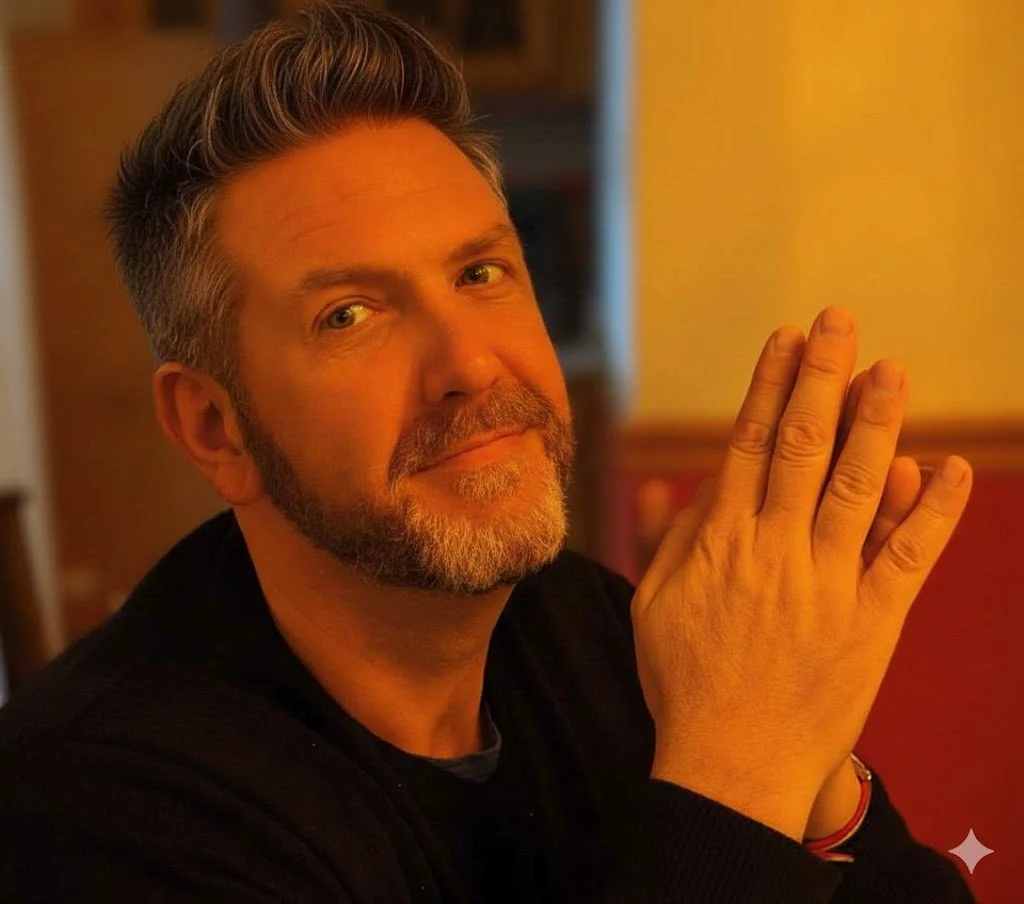
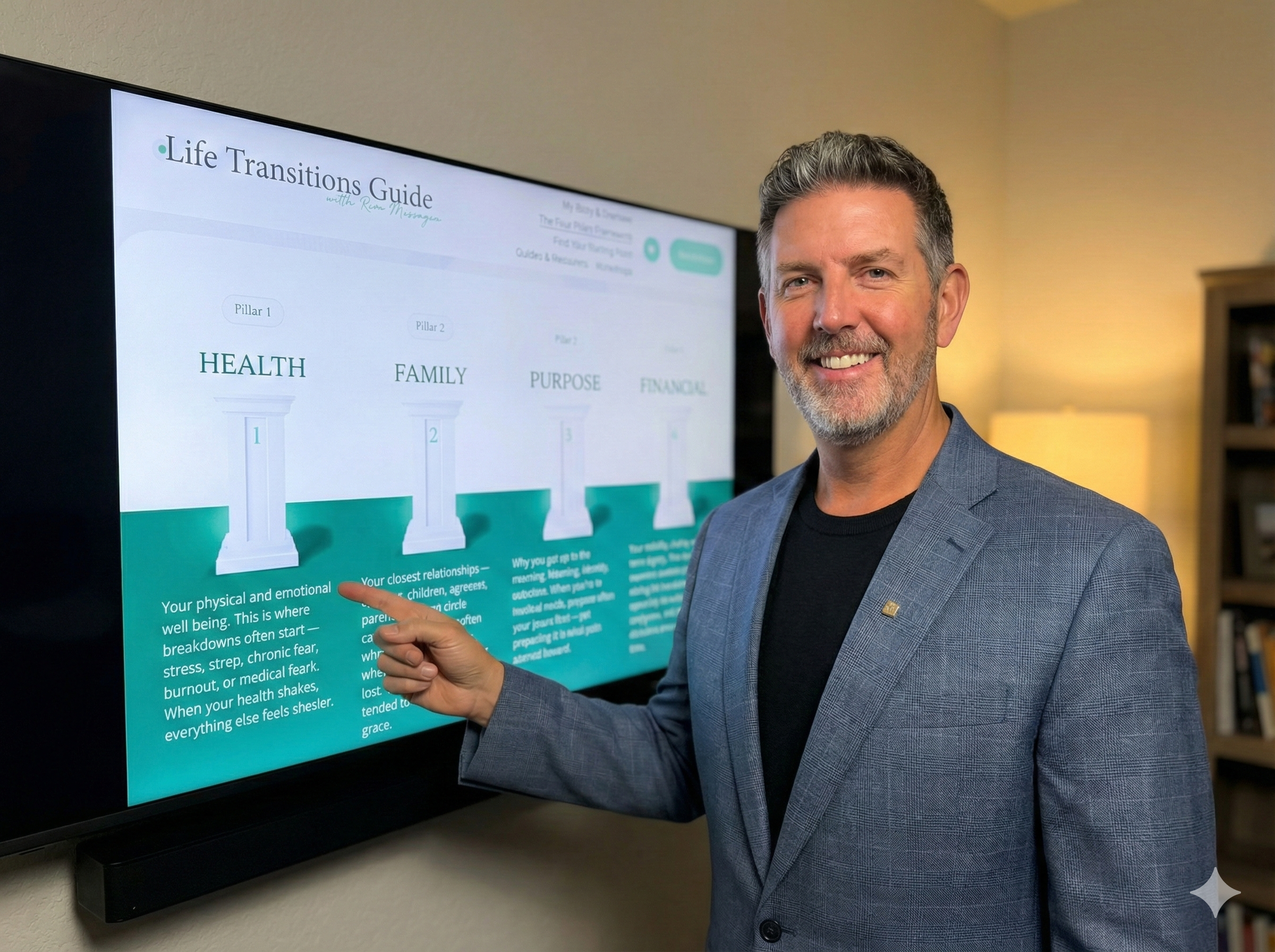
Written by Marc Messinger
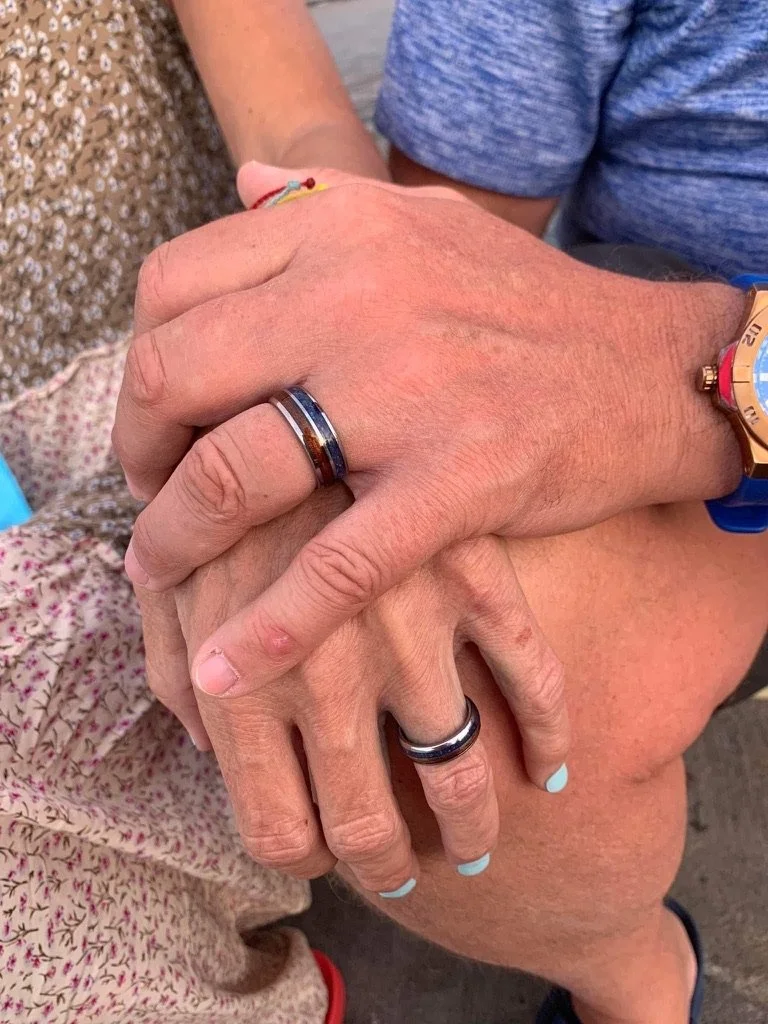
Kathryn and me, during her final chapter
Most people don't talk about hospice until they're already drowning — in decisions, in exhaustion, in fear they can't even name.
I was one of them.
When my wife, Kathryn, was diagnosed with terminal cancer in July 2020 — right in the heart of COVID — we didn't know what the road ahead would look like. We kept fighting. We kept hoping. We kept pushing. And when her liver started to fail in early 2022, we began asking the questions no one ever wants to ask:
"Is it time?"
"What does comfort care mean?"
"What does dignity look like now?"
"How do we protect her, and each other, through the hardest chapter of our lives?"
By late March 2022, we made the decision together to shift from treatments to comfort care. In April, she formally transitioned to hospice. And on May 23rd, 2022, at 6:02 PM, she took her last breath at home — surrounded by our children, all of us touching her, loving her, walking her home to God.
This guide is everything I wish someone had handed me when the storm hit our family.
This is for the husbands and wives. The sons and daughters. The caregivers holding the world together with two tired hands. The ones who love someone enough to help them die with dignity.
These are the things no one tells you — and the things you will remember forever.
Hospice Isn't Giving Up —
It's Choosing How the Final Chapter Should Be Lived
The day we chose hospice felt like failure. Like quitting. Like the moment hope was supposed to die.
But here is the truth I learned:
Hospice is not about dying. It is about how you want to live with the time you have left.
For us, that meant:
Being at home in our own bed
Music playing softly
Kids nearby
Laughter when it came
Tears when they needed to fall
Letting the world slow down long enough for love to take up the whole room
It was heartbreaking. It was holy. And it remains the most sacred stretch of our marriage.
Start Hospice Early — Sooner Than You Think
If I could teach only one thing, it would be this:
Start hospice earlier than you think.
Not when every option has collapsed. Not during a crisis. Not in the final 48 hours when chaos replaces clarity.
Start when:
Treatments stop helping
Quality of life begins slipping
Everyone is exhausted
The medical system shifts from healing to prolonging (Doctors won't be your guides on this!)
Early hospice gives your loved one peace instead of panic — and gives the family time to breathe.
I've seen it many times as a financial advisor. My clients who chose hospice early… they had more connection, more calm, and fewer regrets.
Home or Facility — There Is No Wrong Choice
Hospice can happen at home or in a facility.
Choosing one doesn't mean you love them more. Choosing the other doesn't mean you love them less.
Home hospice gives you control, familiarity, sacred privacy — but it's hard. Caregivers carry almost everything.
Facility hospice gives structure, help, and relief — but it means surrendering some control.
Here's the truth no one says out loud:
Do what is best for your family — not what impresses anyone else.
We chose home because Kathryn wanted to be in her space. Her bed. Her light. Her music. Her kids close. Her dog Simba curled at her side.
It was beautiful. And it was brutal. Both can be true.
What Hospice Provides — And What They Don't
This is the most misunderstood part.
Hospice is not 24-hour care. Hospice does not take over. Hospice does not move into your home.
Hospice WILL provide:
A nurse who visits regularly
Medications for comfort
Medical equipment (bed, commode, oxygen, etc.)
Supplies like pads, gloves, and basics
Guidance
Education
Emotional support
Someone to call at 2 AM when the fear spikes
Hospice WILL NOT provide:
Round-the-clock caregiving
Someone to sit bedside all day
Someone to lift, clean, bathe, or turn your loved one at all hours
Constant supervision
Someone to manage visitors or your home
The day-to-day, hour-to-hour care? That falls on family.
And that truth is hard.
I was prepared for this because — in my work as a financial advisor — I had watched many clients walk this same road. Their experiences became my mentors.
Prepare the Home With Intention (and Comfort)
Hospice provides a medical bed, but let me be honest:
Not all equipment is created equal.
You may want to supplement with things like:
A heated blanket
Softer sheets
Higher-quality pads
Specific pillows for comfort
Pajamas that feel gentle on the skin
Kathryn was always cold, so we kept her warm. We brought in better supplies than hospice delivered. We bought things that made her feel human and held — not clinical.
And then there were the little things…
Like the THC–CBD sucker that helped with her anxiety and pain when medications weren't enough. I gave it to her (didn't mention what it was at first), and she LOVED it. It helped her swallow. It soothed her throat. She kept one in her mouth almost constantly. Thank you to the "un-named friend" who suggested and brought these to us, even when I said NO.
When I told her later what it was, she winked and said, "These are Kathryn-approved."
Whatever brings them comfort — do that.
And donate the extras later to families who can't afford them.
Create Moments — Let Them Be Small
The sacred moments aren't the polished ones.
They're the everyday ones:
Brushing Kathryn's hair
Watching old VHS tapes as her life rewound in front of her
Listening to playlists from Door County
Simba curling into her side
Our kids whispering "I love you" into her palm
These moments become eternal. They're the ones you replay forever.
One of my favorites was the Target pajama story.
A client once told me she and her daughter picked out her "after I die" pajamas — and she didn't want underwear or socks because she didn't want to feel "constricted on her way out."
Kathryn thought that was hilarious.
So one day, Marina, Kathryn, and I went to Target to pick out hers.
At checkout, the employee asked, "Would you like a gift receipt?"
Kathryn — in pure Kathryn fashion — smiled and said, "No thank you. These are the pajamas my family will put me in after I die."
I turned bright red. The clerk froze. Marina and I laughed. Kathryn smiled like a child getting away with something she shouldn't say out loud.
That moment was a gift. Humor, even then, was life.
Managing Visitors — The Hardest Part No One Warns You About
No one prepares you for how complicated visitors become.
You will judge people even when you try not to. You'll wonder why some stay away. You'll be grateful for those who show up. You'll cringe at those who stay too long. You'll ache at those who stay only for a moment.
Some people avoid death. Some people run toward it. Some freeze. Some come to help. Some come to be seen helping. Some surprise you in the best ways. Some surprise you in the worst.
So you need boundaries.
We used CaringBridge — a free online journal for sharing updates without having to text or call fifty people.
And because Kathryn was at home, I even posted Visiting Hours on the door:
"Visiting Hours: ___ to ___ Please do not ring the doorbell outside these times."
If someone showed up outside the hours… we didn't answer.
Not to be rude — but to protect the sacredness of that space.
I didn't take calls. I didn't reply to texts. I didn't manage other people's guilt or expectations. My only job was Kathryn.
Visitors should add peace, not noise. Support, not stress. Presence, not pressure.
And it's okay to protect your home like it's holy — because in hospice, it is.
The Final Weekend
There is no way to fully prepare — but you can be ready.
For us, this meant:
Making sure everyone who needed to say goodbye got the chance
Creating quiet time for just the five of us
Playing her favorite music
Keeping the room dim and peaceful
Holding her hand
Reminding her she was safe and loved
The body changes. Breathing changes. Silence grows heavy. Love grows louder.
These are sacred hours.
The Final Day — And What Comes After
Kathryn passed with all of us touching her — my hand on her face, our kids touching her shoulders, arms, legs.
It was peaceful. It was sacred. It broke us. It remade us.
And then came the part no one prepares you for:
What happens next.
Because we had pre-planned with the funeral home, because we knew who would change her into her chosen pajamas, because we knew who would call hospice, because we knew who would carry her out…
There was no panic. Only reverence.
Marina and her friend Anna (a nursing student at the time) changed their mother into her pajamas — laughing through the tears, exactly how Kathryn would've wanted.
When the van arrived (not a hearse — that mattered to me), I had chosen months earlier who would carry her out: our two boys, and Kathryn's two brothers.
They carried her with love. With steadiness. With honor.
It was painful. It was beautiful. It was right.
If You're Walking This Path… You're Not Alone
Hospice doesn't erase the pain of losing someone. But it can give you:
Dignity
Clarity
Peace
Control
Sacred final moments
And it teaches you something powerful:
The way a person leaves this world becomes part of the story you carry forward.
If you're the one walking someone home —
I'm not here as a clinician, a counselor, or an expert. I'm simply someone who has been in the room. Someone who has held a hand through the last breath. Someone who has planned the details no one talks about. Someone who has carried the love, the grief, the responsibility, and the sacredness of hospice.
You can do this. You were chosen for this for a reason. And you will look back one day and realize:
You walked them home with love. And that matters.
It's a Good Life — even when it asks everything from us.
— Marc
If this article resonated with you, there's more on the site — articles, four recorded episodes, and a short assessment called Find Your Starting Point that tells you which area of your life needs attention first.
mylifetransitionsguide.com/articles-and-podcasts
You're also welcome to reach me directly at connect@mylifetransitionsguide.com or 414-416-1982
Browse More